Pediatrics
A theater designed for every child: how the Arvada Center is making live performances more accessible for families
Learn how sensory kits, relaxed performances, ASL interpretation, audio description, and other accessibility tools help families of all abilities enjoy the arts together
By Health 360
Updated
3 minute read
Parents of children with sensory sensitivities or disabilities often plan outings a little differently.
Before buying tickets to a live show, you might wonder: Will the lights be too bright? Will the sound be too loud? What happens if my child needs a break? For many families, those unknowns can make live theater feel stressful instead of fun.
At the Arvada Center for the Arts and Humanities, the goal is to take that pressure off. Through thoughtful planning, practical tools, and trained staff, the Center is building an experience where families of all abilities can enjoy live performances together.
“We want everyone to feel that this is a safe and enjoyable space,” says Kelly Eisentraut, Grant Writer for the Arvada Center. “Everyone is welcome.”
Recommended for you: Theatre Therapy: How the arts enhance your mental health
Sensory kits help kids feel comfortable at a live show
When you arrive for a performance, you’ll see volunteers ready to help and signage that points you in the right direction. Just outside the theater entrances, the Arvada Center sets up an accessibility resource table.
One of the most helpful options at that table is the Sensory Support Kit. These kits are available for checkout during performances, and families can choose what works best for their child.
“We’ve been really intentional about building out the items in our sensory kits,” Eisentraut says. “We worked with partners in the community to make sure we were including tools that are actually helpful for guests.”
Here’s what families can typically borrow from the sensory support kits to help reduce overstimulation during a live performance:
- Noise- headphones (child and adult) to soften loud sounds
- Quiet fidgets to help with focus and self-regulation
- Rose-colored glasses to filter harsh lighting
- A weighted lap blanket or shoulder wrap for calming pressure
- A sensory seat pad for children that allows gentle movement while seated
The goal is to make the environment flexible enough that any child can enjoy the show in their own way.
Experience a sensory-friendly and relaxed performance
The Arvada Center also offers sensory-friendly and relaxed theater performances designed for people who can feel overwhelmed in a traditional performance environment – including individuals with autism, sensory processing differences, and developmental disabilities.
During these relaxed performances, the team adjusts key production elements to make the experience more comfortable. They soften lighting effects, lower sound levels, and keep house lights higher than usual so audience members can see their surroundings and each other. Guests can also move around, step out, and come back into the theater whenever they need to. And if someone needs a full reset, families can use a quiet “safe room.”
The Arvada Center also provides sensory guides for each relaxed performance. These guides outline moments in the show that may trigger sensory reactions – such as lights going out, loud or sudden sounds, intense emotional scenes, or surprising effects – so families can prepare ahead of time and decide what their child may need in the moment.
These changes help families relax. They can focus on the performance knowing they have options if they need a break. The Arvada Center also intentionally sells fewer tickets for these performances to reduce crowding and create a calmer atmosphere. Seating is open as well, allowing families to choose the spot that best fits their child’s comfort – whether that’s near an exit, farther from speakers, or in a quieter section of the theater. For kids who are new to theater, that level of control can be the difference between “never again” and “let’s come back.”
Recommended for you: Enjoy the many health benefits of outdoor concerts
Performances are accessible for Deaf, hard-of-hearing, blind, and low-vision guests
Sensory support is one part of the picture. The Arvada Center also offers tools and performance options that help more guests fully take in what’s happening on stage – so you don’t miss the jokes, the emotion, or the little moments that make live theater so powerful.
Here are a few accessible performance options the Arvada Center offers:
- ASL-interpreted performances
- Shadow-interpreted performances, where interpreters perform alongside actors on stage
- Audio-described performances for guests who are blind or have low vision
- Assistive listening devices
- Live Spanish-language audio translations for select productions
Shadow-interpreted theater is especially unique, and it’s something many families have never seen before.
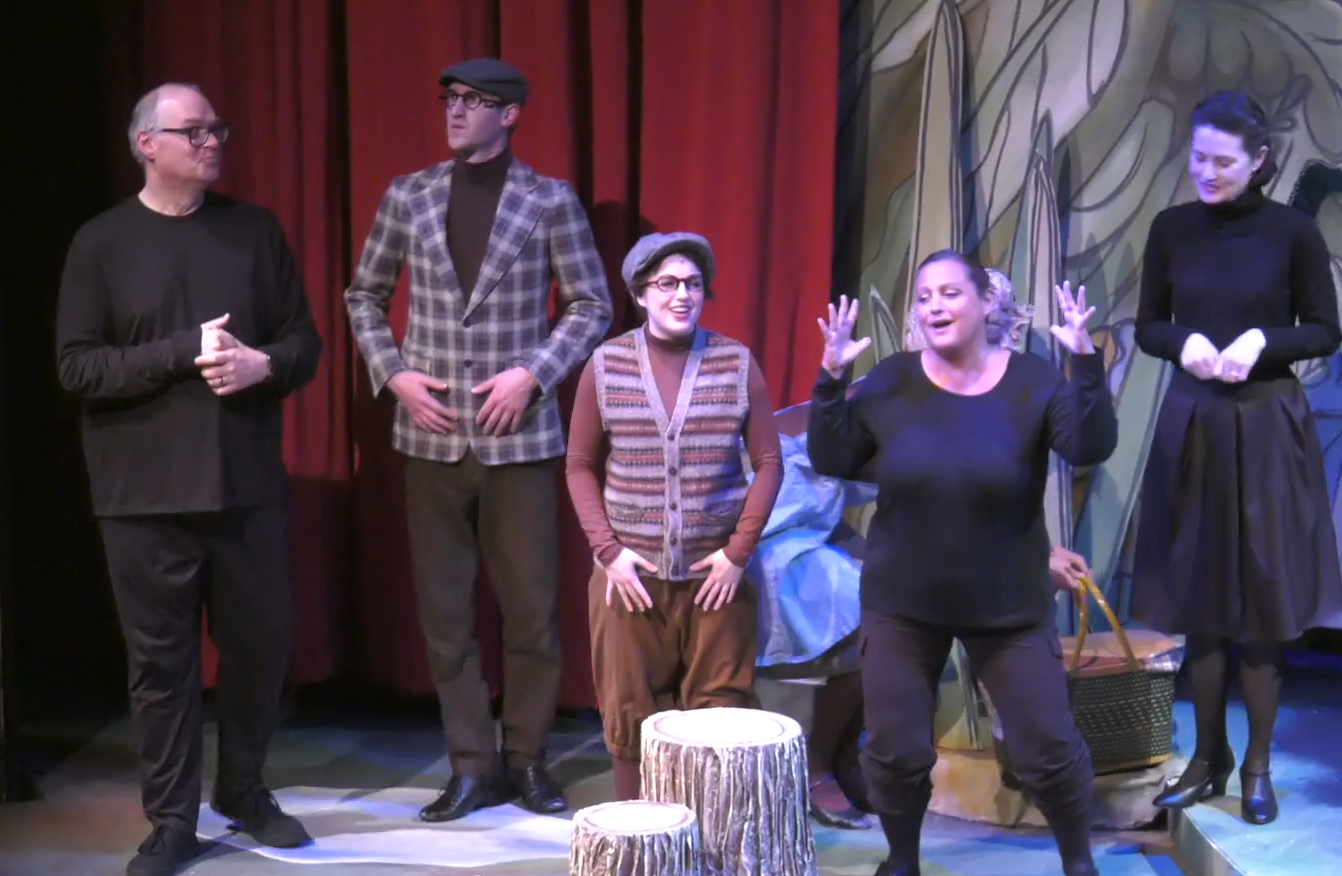
For some Theatre for Young Audiences (TYA) productions, the interpreters don’t stand off to the side of the stage. They become part of the action.
Eisentraut explains that shadow interpreters rehearse with the actors and perform alongside them, following movement and cues so the interpretation is integrated into the show.
“It’s a step beyond traditional interpretation,” she says. For kids, that integration can make it easier to stay engaged and feel like the performance truly includes them.
For blind and low-vision guests, the Arvada Center offers audio-described performances.
Audience members can borrow headsets, and a trained audio describer narrates key visual details in real time.
“The audio describer provides descriptions of the costumes, set design, and subtle movements,” Eisentraut says. “It helps reinforce the immersive experience of live theater.”
The Center also offers Touch Tours before select audio-described performances.
Before the show, guests can explore props, costume pieces, and set elements with their hands while hearing behind-the-scenes insights from the production team.
Guests tell Eisentraut they love having a more hands-on way to connect with the production, and many say they haven’t had that opportunity at other venues.
Recommended for you: How theater and arts camps can boost your child’s health this summer
Why making live theater accessible matters for health
Live theater can support mental and emotional well-being by reducing stress and strengthening social connection. Research links arts participation with improved mood and quality of life, but those benefits depend on access.
If sensory, communication, or language barriers keep someone from attending, they miss out entirely. Intermountain Health supports the Arvada Center’s accessibility programs because it aligns with whole-person health and community well-being, including efforts to reduce barriers that shape daily life.
The Arvada Center is a place every family can enjoy
Live theater can do a lot for families – it can reduce stress, boost mood, and create a sense of connection. Research links participation in the arts with better mental and emotional well-being, but those benefits only matter when people can actually access the experience. When sensory, hearing, vision, or language barriers keep someone from attending, they miss out entirely.
That’s why the Arvada Center builds accessibility into its performances, from sensory kits and relaxed shows to ASL, audio description, and touch tours. Intermountain Health supports this work because it aligns with whole-person health and community well-being, helping more families take part in experiences that support quality of life, with fewer barriers in the way.
To learn more about accessible performances, sensory supports, or upcoming accessibility events, visit the Arvada Center’s Accessibility page or browse the Accessibility Events Calendar.