Nutrition and weight loss
Beyond the tray: how Intermountain Health makes food part of care
Discover how Intermountain Health serves more than 35,000 meals daily while making nutrition, sustainability, local sourcing, and patient experience part of care
By Health 360
Updated
2 minute read
Across Intermountain Health, food is part of care. And behind every tray, café meal, seasonal side, and sweet treat is a team thinking about nutrition, comfort, taste, cost, sustainability, and the experience of the people we serve.
Here are 10 things you may not know about the food we serve at Intermountain Health.
1. Our cafés serve thousands of meals every day
Intermountain Health operates 38 cafés that serve about 35,000 meals each day.
Each of our 33 hospitals has a café for patients, caregivers, and guests. We also operate five retail-only cafés at locations such as the Supply Chain Center, Home Care, Lake Park office building, TOSH, and Select Health offices.
Most meals are served to patients, caregivers, and hospital visitors. But our cafés are open to the public, too. Anyone can stop in for a meal, snack, coffee, or dessert.
2. The menus offer something for many tastes
Hospital food may not be the first thing that comes to mind when you think of variety. At Intermountain, our culinary teams work to change that.
Build-your-own meals are some of the most popular options in our cafés. Guests can choose their favorite add-ins and flavors with meals like build-your-own curry bowls, ramen bowls, and street tacos.
Patient menus include a wide range of choices, too. One standout is a plant-based gyro with vegan tzatziki sauce – a creative option that brings fresh flavor to a familiar favorite.
.ashx)
3. Menus change with the seasons
Like any good restaurant, our cafés need fresh ideas.
Intermountain Health teams build menus from a central recipe collection with more than 5,400 recipes, from chili and cornbread to brownies and pork entrées.
Twice a year, culinary leaders across Intermountain Health share feedback on the patient menu. Then leaders like Alex Govern, senior director of nutrition services, and Amelia Stocking, senior director of the patient meal experience, review what’s working and what needs to change.
They consider taste, nutrition, cost, operations, and ingredient availability. The goal is to serve food that people enjoy and that works well across a large health system.
Our cafés also rotate through four seasonal side menus developed and tested by Christopher Delissio, Intermountain Health’s Enterprise Executive Chef. One insider tip: try the summer Moroccan carrots and root vegetables before they rotate out for fall favorites.
4. Our food is made in-house
Many hospitals contract with outside food service companies or use large amounts of pre-made food.
Intermountain Health does things differently. Our culinary team is based in-house and works closely with dietitians and select vendors to create meals that are nutritious, minimally processed, and made with care.
That means our teams can better shape the food experience for patients, caregivers, and guests.
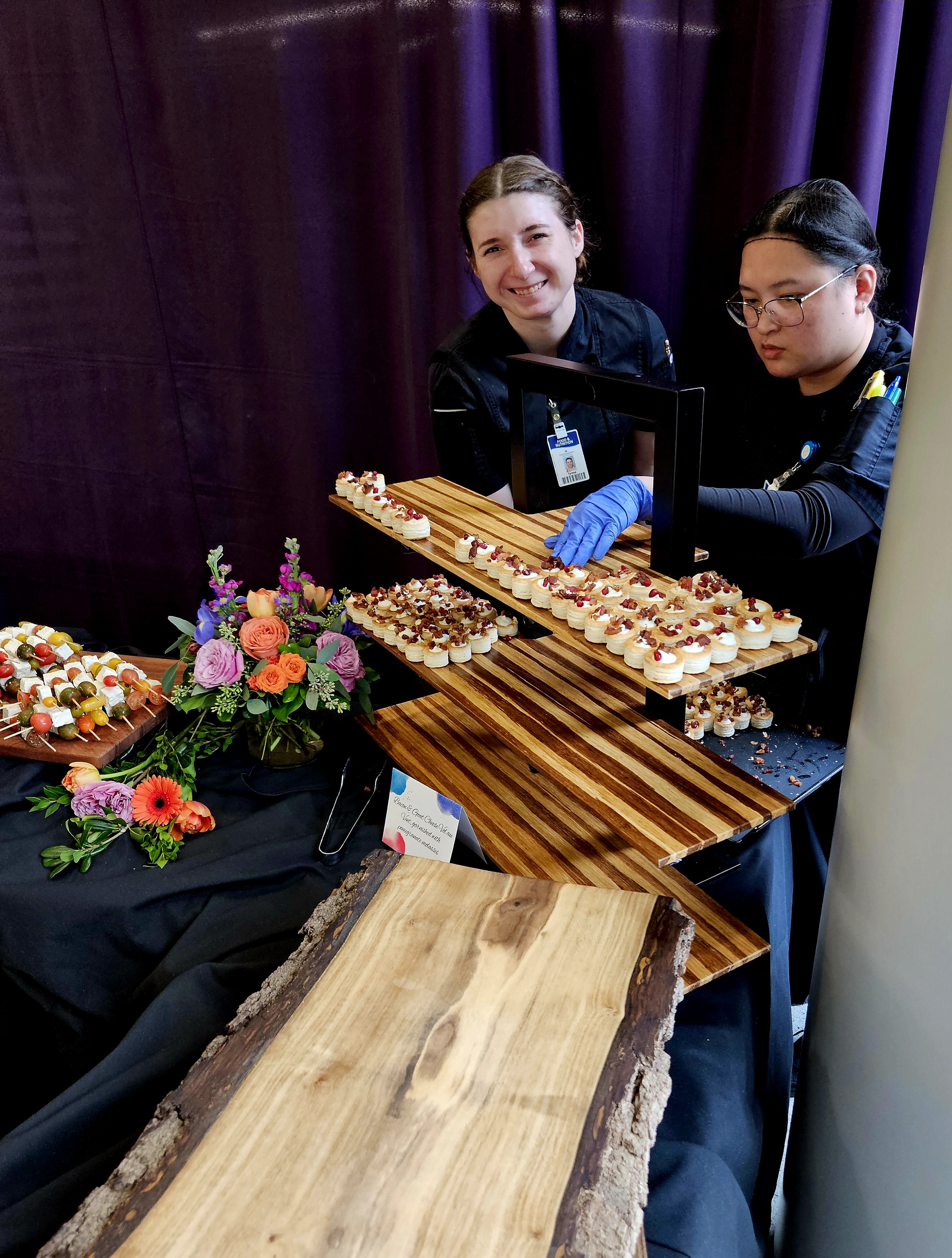
5. Our chefs are nationally recognized
Intermountain Health chefs bring serious skill to the kitchen.
Recently, Joseph Westley, Peaks Region executive chef, and Roberto Rodriguez, executive sous chef, were finalists in the Association for Healthcare Foodservice culinary competition.
Christopher Delissio also won a national competition for recipe development and menu concepts through the Kitchen Collaborative, competing with chefs from top restaurants and resorts. He’s also headed to Dubai for one of the largest food shows in the world.
Their work helps show what healthcare food can be: thoughtful, creative, and full of flavor.
6. Ingredients are used in smart, creative ways
Good food also means using resources wisely.
Intermountain Health’s chefs look for ways to use ingredients across several dishes. This helps reduce waste, manage costs, and make kitchen work more efficient.
“We try to use proteins in different ways,” says Alex. “We have a lemon rosemary roasted pork shoulder that’s a hearty homestyle entree. And then we take that same pork and make tacos with it and use it in a pulled pork BBQ sandwich.”
It’s a practical approach that also keeps menus more interesting.
7. Food waste can support local farms and communities
Nutrition Services works to reduce food waste by planning carefully and finding new uses for ingredients. Still, some leftover or expired food is part of food service.
Several Intermountain café locations in Utah and Colorado send food waste to local farmers for compost. At Saint Joseph Hospital, leftover food goes through a donation program with local food pantries.
Since 2019, Intermountain Health’s efforts have helped divert more than 383,000 pounds of food waste from landfills.
8. Local produce plays an important role
Seasonal menus help our teams use produce when it’s fresh and easier to source.
Intermountain Health buys local ingredients whenever possible. Across our regions, local farmers grow foods like squash, zucchini, tomatoes, and onions.
Buying local supports nearby farms and helps keep money in the communities we serve. It also helps bring fresher ingredients to our kitchens.
9. We partner with local vendors
Intermountain Health looks for chances to work with local vendors whenever possible.
Current vendors include Park City Coffee Roasters and Wandering Roasters. Our cafés also serve treats from Utah-based JulieAnn Caramels and Ritual Chocolate. And across the system, bacon comes from Montana-based Daily’s Meats.
We also participate in the Local and Diverse Supplier Summit to identify more local manufacturers and partners.
10. Patients are treated like guests
At Intermountain Health, culinary teams think of patients as guests. A thoughtful meal can bring comfort, support healing, and help someone feel cared for – especially if they’ve just gone something extremely hard.
“When we serve nutritious food executed with excellence, patients heal faster,” says Alex. “Their outlook is better, and the way they perceive their medical care is improved. We get to make these incredible impacts with our food every single day."
That’s why food at Intermountain Health is more than what’s on the plate. It’s one more way we help people live the healthiest lives possible – through care that reaches beyond the exam room and into the everyday moments that help people feel better.

Telehealth Nutrition Counseling
Connect with Intermountain Healthcare's Clinical Nutrition Services to address your unique dietary needs and health goals.