Lafayette Womens Clinic - Urogynecology
This department offers
- Cancer care
Specialized urogynecology care for pelvic health concerns
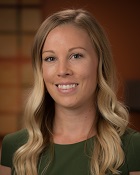
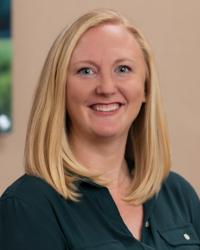
Our providers

You might be interested in
The bathroom changes men think are normal – but shouldn't ignore
Bathroom changes like frequent urination, weak urine flow, or waking up at night may be signs of an enlarged prostate. Learn when men should see a doctor.
Life after cancer treatment: why your care doesn't have to end when treatment does
Learn how Intermountain Health helps patients manage long‑term effects, emotional health, and follow‑up care
Early-onset colon cancer: symptoms, risk factors, and when to get screened
Colon cancer is rising in adults under 50, often diagnosed at advanced stages. Learn why speaking up early can save lives.
Julie’s Journey: Navigating breast cancer treatment with support of caregivers
Now two years since completing her chemotherapy and in remission, Julie’s story is a testament to the strength and resilience of women facing breast cancer.
Understanding Thyroid Cancer in the Old and Young
Elder L. Tom Perry, a top-ranking leader of The Church of Jesus Christ of Latter-day Saints, passed away from thyroid cancer on Saturday, May 30, less than two months after he was diagnosed with the disease
The 3 C's of Cancer Care
There are 3 main goals for treating cancer: cure, control, and comfort. When cancer is in the early stages, cure is often possible. When cancer has spread beyond where it started, the goal is to shrink a tumor and control cancer growth.
A Patient's Journey Through Thyroid Cancer
It’s often easy to ignore symptoms like fatigue and simply chalk them up to our modern, harried lifestyles. But, it’s important to take stock in what your body is telling you and discuss symptoms with your primary care doctor when those vague feelings of something being “not quite right” come up.
After a Year Battling Cancer, Teacher Shares Her Journey of Healing
After a year receiving cancer treatment at Logan Regional, teacher Ashlena Johnson says she wouldn't go anywhere else: "The entire experience was phenomenal.”
9 Tips to Prevent Skin Cancer
9 Tips to Prevent Skin Cancer