This department offers
- Adult congenital heart clinic/program
- Cardiac imaging
- Cardiac rehabilitation
- Cardio-obstetrics clinic/program
- Cardio-oncology clinic/program
- Cardiovascular and Thoracic Surgery
- Clinical Cardiology
- Electrophysiology
- Familial cardiomyopathy clinic/program
- Heart & vascular care
Heart and vascular care for long‑term heart health
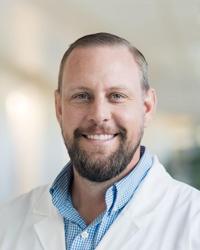
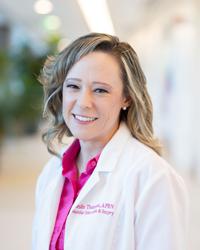
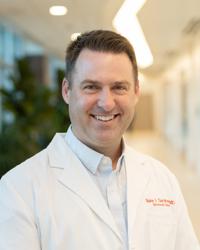
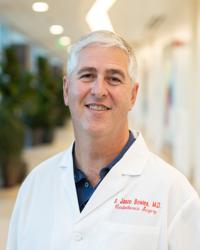
Our Providers





























You might be interested in
What does your VO2 max number mean? A guide to fitness and healthy aging
Learn what your VO2 max number means, how it reflects cardiovascular fitness, why it matters for healthy aging, and how to improve it safely over time.
Why shortness of breath can be a sign of heart disease in women
Learn how one woman discovered a life‑threatening blockage and why listening to subtle symptoms matters
Move more for heart health: why 150 minutes of physical activity per week matters
Learn why 150 minutes of weekly movement lowers heart disease risk, improves blood pressure and energy, and supports long‑term cardiovascular health
Blood Pressure Basics: Why it matters & how to keep it in check
Lets break down blood pressure readings and their importance in preventing heart disease
Not skipping a beat: Physician and patient partner in health for cardiology care
Discover how Ambyr Spencer, a clinical operations manager at Primary Children’s Hospital, navigated her own health crisis with the support of Intermountain Health’s cardiology team
Patient Credits Intermountain Health Cardiologists: 'They Gave Me My Life Back'
An alternative to open-heart surgery helped Ken Criter resume normal activities within two weeks.
Arizona Man Has New Lease on Life Thanks to SynCardia Total Artificial Heart
Andrew Weaver and his wife, Heather, feared he wouldn’t see their daughter, Haley, grow up because he was dying of heart failure. Instead, Andrew gets to cherish family moments that he would have missed, thanks to the SynCardia temporary Total Artificial Heart
"Tin Man" Finally Gets His Heart
Doctors keep West Jordan father alive using a total artificial heart until a donor heart became available.
5 Heart Numbers Everyone Should Know
5 Heart Numbers Everyone Should Know