Heart Rhythm Clinic
This department offers/treats:
- Atrial fibrillation (AFib)
- Bradycardia treatment
- Cardiac ablation
- Cardioversion therapy
- Heart palpitations
- Heart Rhythm Treatment
- Irregular heartbeat
- Pacemaker services
- Tachycardia treatment
Expert care for irregular heartbeats
If your heart feels like it's racing, fluttering, skipping beats, or beating too slowly, you're not alone. Heart rhythm problems are common and can affect how you feel every day.
At the Heart Rhythm Clinic at Intermountain Medical Center, our heart rhythm specialists help diagnose and treat conditions that affect the electrical system of the heart. From common conditions like atrial fibrillation (AFib) to more complex heart rhythm disorders, we're here to help you feel better and get back to doing what you love. Our team offers advanced treatments, leading technology, and personalized care—all in one place.
Our providers

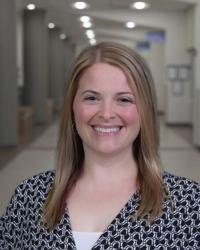



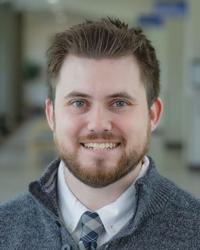









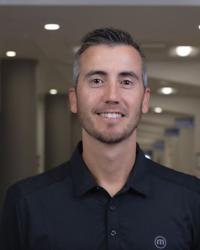

Could a heart rhythm problem be causing your symptoms?
Heart rhythm problems don't always feel the same. Some people notice symptoms every day, while others only notice them occasionally.
Common symptoms include:
- Heart palpitations or fluttering
- A racing heartbeat
- A heartbeat that feels too slow
- Skipped or irregular heartbeats
- Dizziness or lightheadedness
- Fainting or near-fainting
- Shortness of breath
- Fatigue
- Chest discomfort
- Trouble keeping up with normal activities
If you're experiencing any of these symptoms, our team can help determine what's causing them and recommend the right treatment.
Conditions we treat
Our specialists diagnose and treat a wide range of heart rhythm conditions:
Atrial Fibrillation (AFib)
AFib is the most common heart rhythm disorder. It happens when the upper chambers of the heart beat out of sync. AFib can cause symptoms like a racing heartbeat, tiredness, shortness of breath, and an increased risk of stroke.
Tachycardia
Tachycardia is a heartbeat that is faster than normal. It can cause palpitations, dizziness, or a feeling that your heart is pounding.
Bradycardia
Bradycardia is a heartbeat that is slower than normal. Some people experience fatigue, lightheadedness, or fainting.
Atrial Flutter
A heart rhythm disorder that causes the heart's upper chambers to beat too quickly.
Supraventricular Tachycardia (SVT)
SVT can cause sudden episodes of a very fast heartbeat that may come and go.
Ventricular Tachycardia (VT)
A more serious rhythm disorder that starts in the lower chambers of the heart and often requires specialized care.
Heart Murmurs and Related Heart Conditions
Some heart murmurs are harmless, while others may be linked to underlying heart valve problems. Our team can help determine if additional testing is needed.
Advanced treatments for heart rhythm disorders
Treatment depends on your symptoms, condition, and overall health. Our specialists work with you to create a care plan that fits your needs.
Ablation is a minimally invasive procedure that treats the small area of heart tissue causing abnormal heart rhythms.
For many patients, ablation can reduce symptoms, improve quality of life, and help restore a more normal heartbeat. Our team performs ablation procedures for AFib, atrial flutter, SVT, ventricular tachycardia, and other rhythm disorders.
Cardioversion is a treatment that helps restore a normal heart rhythm in people with conditions such as atrial fibrillation (AFib) and atrial flutter. During the procedure, a controlled electrical impulse is used to reset the heart's rhythm.
Cardioversion is often performed as an outpatient procedure and may help reduce symptoms such as palpitations, fatigue, shortness of breath, and dizziness.
Some heart rhythm problems can be treated with a small device placed under the skin.
We offer:
- Pacemakers
- Leadless pacemakers
- Implantable cardioverter defibrillators (ICDs)
- Cardiac resynchronization therapy (CRT)
- Heart rhythm monitoring devices
These devices help regulate your heartbeat and protect against dangerous heart rhythms.
Intermountain Medical Center offers some of the most advanced heart rhythm treatments available, including:
- Advanced ablation technologies
- Treatment for complex ventricular tachycardia
- Device and lead extraction procedures
- Left atrial appendage closure for select patients with AFib
- Specialized care for patients with difficult-to-treat rhythm disorders
Why choose Intermountain Medical Center?
Specialized Heart Rhythm Experts
Our electrophysiologists are cardiologists who specialize in treating heart rhythm disorders. They work closely with other heart specialists to provide complete, coordinated care.
Advanced Technology
We use advanced imaging, mapping systems, and treatment technologies that help us diagnose and treat heart rhythm conditions with greater precision.
Nationally Recognized Leadership
Intermountain Medical Center has helped advance the treatment of atrial fibrillation and other heart rhythm disorders through research, innovation, and participation in national clinical trials.
Comprehensive Care in One Place
From diagnosis and testing to procedures and long-term follow-up, you'll receive the care you need from a dedicated team focused on helping you achieve the best possible outcome.
What to expect
When you visit our clinic, we'll take the time to understand your symptoms, review your medical history, and discuss your goals.
Your care may include:
- Heart rhythm testing
- Advanced imaging
- Medication management
- Ablation procedures
- Pacemaker or device therapy
- Ongoing monitoring and follow-up care
We'll work with you every step of the way so you can feel confident about your care.
Frequently asked questions
Find answers to frequently asked questions about our heart rhythm clinic.