Intermountain Surgical Specialists Clinic
This department offers
- Appendectomy
- Gallbladder surgery
- General surgery
- Hemorrhoid treatment
- Hernia repair surgery
- Robotic colorectal surgery
- Robotic surgery
Comprehensive surgical care, from everyday needs to advanced specialty treatment
Expert general and colorectal surgery: integrated across Intermountain care teams to support coordinated, patient-centered treatment.
At Intermountain Surgical Specialists Clinic, we provide surgical care for a wide range of conditions, from common general surgery needs to complex colon and rectal procedures. Our surgeons collaborate closely with primary care, gastroenterology, oncology, imaging, and other specialties to deliver coordinated, evidence-based care. Whether your condition is routine or complex, our focus remains the same: clear communication, advanced surgical expertise, and support from diagnosis through recovery.
Why choose Intermountain Surgical Specialists Clinic?
Coordinated surgical care focused on expertise, access, and patient experience.
Integrated, coordinated care
Surgeons collaborate closely with primary care, gastroenterology, oncology, imaging, and rehabilitation teams. Shared medical records support continuity across every stage of care.
Advanced surgical expertise
Minimally invasive and robotic-assisted techniques are available when appropriate, supporting precision, recovery, and outcomes across a wide range of procedures.
Patient-centered care, close to home
Clear communication and compassionate support guide your experience, with access to specialty surgical care within the Intermountain network.
General surgery
Our general surgery team treats many common conditions that require surgical care. When appropriate, we use minimally invasive and robotic-assisted techniques to support safe outcomes and shorter recovery times. We work closely with primary care and specialty providers to ensure continuity of care before and after surgery.
General surgery services and conditions
- Gallbladder disease and gallstones
- Hernias (inguinal, umbilical, incisional)
- Appendicitis
- Gastrointestinal conditions requiring surgery
- Skin and soft tissue conditions, including cysts and infections
- Thyroid and parathyroid conditions
- Diagnostic biopsies and minor procedures
- Laparoscopic, minimally invasive, and robotic-assisted surgery
Robotic-assisted general surgery
For select procedures, robotic-assisted surgery allows surgeons to operate with greater precision through small incisions. This approach may help reduce pain and support a smoother recovery for some patients. Your surgeon will discuss whether this option is appropriate for your condition.
Questions about general surgery?
Learn what conditions are treated, when surgery may be needed, and what to expect at your first visit.
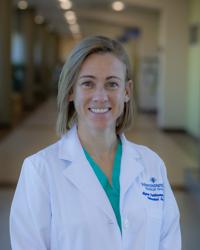
Our providers











Colon and rectal surgery
Colon and rectal surgery focuses on conditions affecting the colon, rectum, and anus. Our surgeons have advanced training in both benign and complex conditions and work within a multidisciplinary care model. This allows close coordination with gastroenterology, oncology, and primary care to support personalized treatment plans and quality of life.
Colon and rectal surgery services and conditions
- Colon and rectal cancer
- Colon polyps
- Inflammatory bowel disease, including Crohn’s disease and ulcerative colitis
- Diverticulitis and diverticular disease
- Hemorrhoids
- Anal fissures and fistulas
- Rectal prolapse
- Fecal incontinence
- Pelvic floor disorders
- Minimally invasive, laparoscopic, and robotic colorectal surgery
- Sphincter-preserving procedures when appropriate
Robotic-assisted colon and rectal surgery
Robotic-assisted surgery is used for many colon and rectal procedures to support precision through small incisions. This approach may help preserve function and support faster recovery for appropriate patients. Your care team will determine whether this option is right for you.
Common questions about colon and rectal surgery
Clear answers to help you understand treatment options and next steps.
Referral and access information
We work to make accessing surgical care as straightforward and coordinated as possible for both patients and referring providers.
Clear referral guidance for patients
Intermountain Surgical Specialists Clinic accepts referrals from primary care providers and specialists across the Intermountain system. Our team helps guide referrals and patients through next steps to support timely review and scheduling.
Insurance and authorization support
Navigating insurance and prior authorization requirements can be confusing. Our staff works closely with patients and providers to help verify coverage, address authorization needs, and reduce administrative delays when possible.
Coordinated hospital-based surgical care
When surgery requires hospital-based care, our clinic coordinates closely with Intermountain hospitals and surgical teams. This supports continuity from clinic consultation through surgery, hospitalization, and follow-up care using shared medical records.
Pre- and post-surgical support
Learn how we support you before surgery, during recovery, and after you return home.
You might be interested in
Robotic Surgery Breakthroughs
In December 2014, one of Intermountain's physicians, Dr. Nathan Richards, performed the first ever minimally-invasive Whipple procedure in Utah. Dr. Richards did it with the help of robotics.