Neurology
This department offers
- Comprehensive epilepsy program
- Dysautonomia program
- Headache program
- Leukodystrophy program
- Neuro-Autoimmune program
- Neuromuscular program
- Pediatric brain and spine care
- Pediatric neurology
- Stroke and Vascular program
Brain and Spine programs
This clinic is part of the our nationally-ranked Brain and Spine program. You can rest assured that you are receiving the most advanced, expert care in the Intermountain West. Learn more about our Brain and Spine programs.
National recognition and distinctions
Prioritizing quality care means putting each child and family at the center of everything we do. We deliver compassionate, expert treatment that has earned us national recognition for excellence and innovation in pediatric neurological and spine care.
Our providers




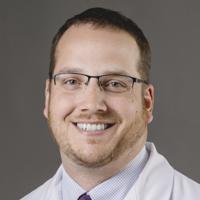


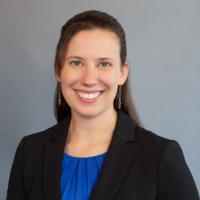





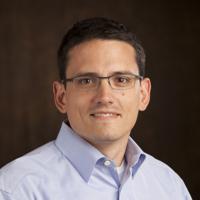
Tests and diagnostic procedures
Learn more about the the kinds of procedures we offer at this location.
We understand that children need special care, which is why we stay up to date on safe EEG technology. Helping doctors diagnose childhood seizures and other neurological disorders, an electroencephalography (EEG) provides information about the electrical activity in the brain. Making them a crucial part of diagnosing and treating neurological disorders.
As part of our commitment to family centered care, parents are encouraged to accompany their child to the test and our staff explains each step of the procedure.
Our Outpatient EEG Lab is accredited by The American Board of Registration of Electroencephalographic and Evoked Potential Technologists (ABRET), which evaluates labs based on strict technical standards and the ability to demonstrate quality output.
Electromyography (EMG) is a diagnostic procedure used to assess the health of muscles and nerve cells.
This may be ordered if your child has weakness or numbness that may be due to a problem with their brain or spinal cord. The test has two parts: a nerve conduction study, which checks the strength and speed of nerve responses, and an electromyogram, which evaluates the electrical activity in muscles. Both tests are often done together to give a complete picture of nerve and muscle health.
- Part 1 - Nerve Conduction Study (NCS)
During the NCS, a technologist places electrodes (stickers) on the part of your child’s body being tested. Then they send a small amount of electrical current through your child’s nerves using a handheld stimulator placed over the skin. This allows us to test the health of the nerves outside the brain and spinal cord. This electrical current feels a bit like static electricity or tingling sensation and can be a bit surprising or uncomfortable to your child. This part of the test usually takes 20-40 minutes depending on how many nerves need to be evaluated.
- Part 2 - Electromyogram (EMG)
This portion of the test evaluates the activity of the muscles. This can help determine the health of the muscles and the nerves that supply those muscles. During the EMG, the doctor will place a very thin needle electrode into one or more of your child’s muscles and record the electrical activity. There is no electricity applied during this part of the test. This part of the test usually takes 15-30 min. Risks are minimal, including bleeding. If your child is on anti-coagulation medications or blood thinners, please let us know.
If your child is over 5 years old, they can usually handle these tests, even though it might be a bit uncomfortable. Preparing them mentally and talking about this process can help. Additionally, you are welcome to stay in the room to help comfort them. During the NCS, your child needs to stay still while stickers are placed on their skin. For the EMG, if your child is afraid of needles, they might need sedation. Talk to your child's doctor to decide if sedation is needed and if so, a sedation plan will be discussed and arranged beforehand. If sedated during the test, you can stay with your child until they are sedated then wait in a different room. The doctor will tell you about the results after the test, and the sedation effects might last the rest of the day.
MRIs are used to look for structural abnormalities in your child's brain and spine.
A functional MRI is an image mapping of the brain and used on patients with specific seizure types or MRI abnormalities.
PET scans are used to look for glucose uptake of the seizure active zone between seizures.
The ROSA brain provides improved accuracy and decreased OR time for depth electrode placement.
Single-photon Emission are a type of computerized tomography (CT) scan used to look for blood flow, which will see an increase in a seizure zone.
TMS is a non-invasive outpatient procedure for epilepsy and tumor patients which provides greater accuracy, smaller incisions and reduced OR and MRI time.
The Wada test establishes cerebral language and memory representation of each brain hemisphere.
You might be interested in
Before you say yes to an e-bike or electric scooter, ask these 5 questions
From speed and safety to helmets and readiness, these 5 questions can help parents decide if their child is truly ready to ride