Cancer Center - Utah Valley
Our services
- Classical Hematology
- Genetic counseling
- Hematology
- High risk cancer prevention
- Navigation services
- Oncology nutrition
- Phase I clinical trials
- Social support
- Supportive oncology
- Survivorship services
Comprehensive cancer care, close to home
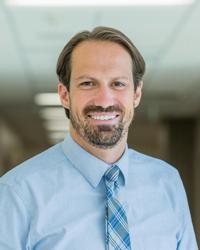
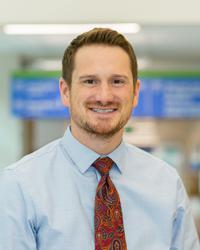
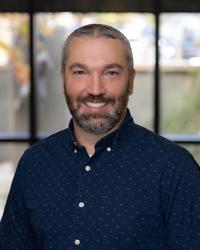
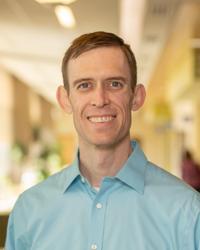
With multidisciplinary experts, advanced technology, clinical trials, and supportive services, Utah Valley Clinic’s Cancer Center delivers personalized treatments and seamless coordination so you can focus on healing.

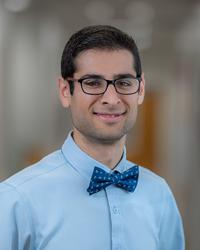
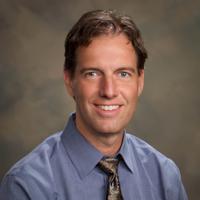
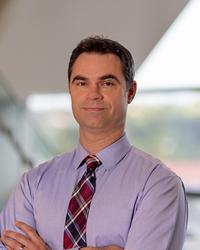
Why trust Intermountain for your care?
- Expert team — Board-certified oncologists collaborate across the Intermountain network to tailor your plan.
- Advanced treatments — From immunotherapy to modern radiation therapies, get options matched to your diagnosis.
- Whole-person support — Navigation, nutrition, palliative care, and survivorship services at every step.
Our services
- Medical oncology — Chemotherapy, immunotherapy, and targeted therapy tailored to your cancer type.
- Radiation oncology — On‑site image‑guided external beam, stereotactic radiosurgery, and brachytherapy
- Surgical oncology — Cancer surgery with minimally invasive options; coordinated with multidisciplinary team.
- Hematology — Diagnosis and treatment for blood cancers and complex blood disorders.
- Genetic counseling & high‑risk prevention — Risk assessment, testing, personalized prevention plans.
- Clinical trials (Phase 1 and beyond) — Access to innovative therapies through Intermountain research. Learn more.
- Oncology nutrition — Registered dietitians help maintain strength during treatment.
- Palliative & supportive oncology — Symptom relief, counseling, whole‑person support.
- Navigation & survivorship — Care navigation, education, and long‑term follow‑up.
Quality care certified by the Commission on Cancer
CoC-accredited programs offer comprehensive care including: quality care close to home; a multidisciplinary, team approach; information and education; patient-centered services; options for genetic assessment, counseling, and palliative care services; care monitoring and quality improvement; evidence-based treatment planning; clinical trials and new treatment options, follow-up care; patient tracking through the cancer data system.
Nationally accredited by the NAPBC
With accreditation from the National Accreditation Program for Breast Centers, you can be assured that we’re held to the highest standards of care for patients with diseases of the breast. In addition, we’re a nationally accredited Breast Imaging Center of Excellence, accredited in all forms of breast imaging from the American College of Radiology, including breast MRI, breast ultrasound, mammography and stereotactic breast biopsy.
Infusion services nearby
Cancer care FAQs
Answers to common questions about appointments, treatments, insurance, and support at our cancer center.
With a referral, our team will contact you to schedule an appointment. Once your primary care provider sends us a referral, our team will work with them to understand your needs. A caring nurse navigator will then contact you to help schedule your appointment and support you through the process.
Cancer classes and support groups
Phase 1 Clinical Trials
You might be interested in
Breast cancer treatments keep improving. Don’t let that make you skip screening
Breast cancer treatments have improved survival rates, but early detection remains key. Learn why mammograms, breast awareness and personalized screening plans still matter.
HPV-related tonsil cancer: Embracing a new normal
After an HPV-related tonsil cancer diagnosis changed the course of his life, Park City resident David Staley found strength in family, support from friends, and compassionate cancer care that helped him move forward with hope.
Non-Hodgkin’s lymphoma: Finding the human side of cancer care
When Terri Locher was diagnosed with cancer, she faced an uncertain road ahead. Guided by a trusted advocate and surrounded by a caring oncology team, she discovered strength, gratitude, and the power of truly personal care.
Squamous Cell Carcinoma: Facing the Unknown with Grace, Humor and Action
Chuck shares how facing metastatic squamous cell carcinoma—after several earlier cancer diagnoses—reinforced the importance of swift action, self‑advocacy, and humor.
Life after cancer treatment: why your care doesn't have to end when treatment does
Learn how Intermountain Health helps patients manage long‑term effects, emotional health, and follow‑up care
How oncology nurse navigators help patients overcome barriers to cancer care
Learn how oncology nurse navigators support patients and provide emotional guidance from diagnosis through recovery